Introduction:
Choosing the right page builder for WordPress can be tricky. Elementor and Bricks Builder are two of the most popular options, each offering powerful tools for building beautiful websites without coding. Elementor has been a favorite for years thanks to its intuitive drag-and-drop editor and extensive add-ons. Bricks Builder, however, is quickly gaining traction due to its speed, lightweight structure, and built-in theme capabilities. In this article, we’ll compare Elementor and Bricks Builder to help you decide which one is the best fit as we head into 2025.
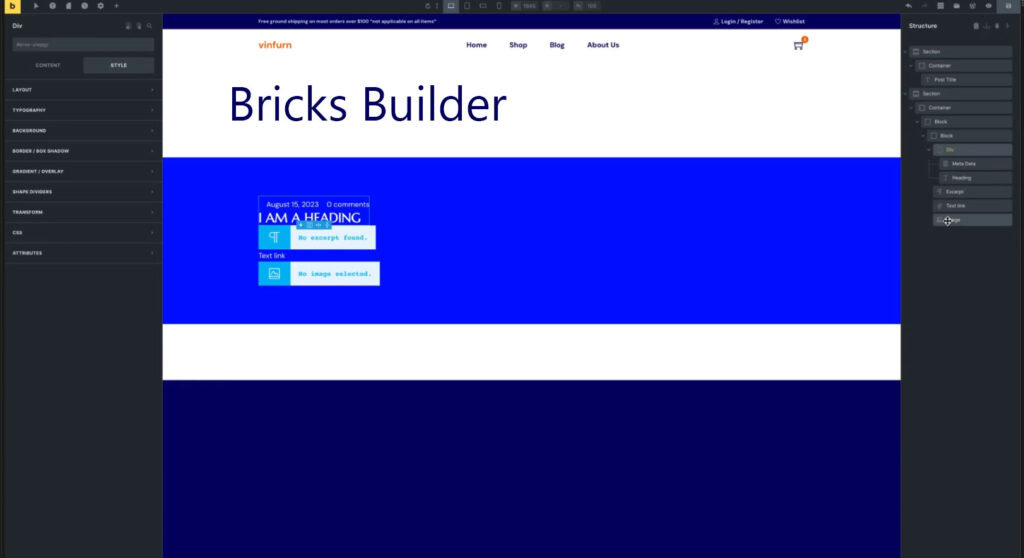
Elementor vs Bricks Builder: Understanding the Difference
The main distinction is that Elementor is a plugin, while Bricks is a theme with a built-in page builder. Bricks Builder is designed for speed and performance, giving users full control over their website design. Being theme-based, it loads faster and uses fewer resources. Elementor, as a plugin, allows complete customization and flexibility without touching code, but it may add extra load depending on the widgets and templates used.
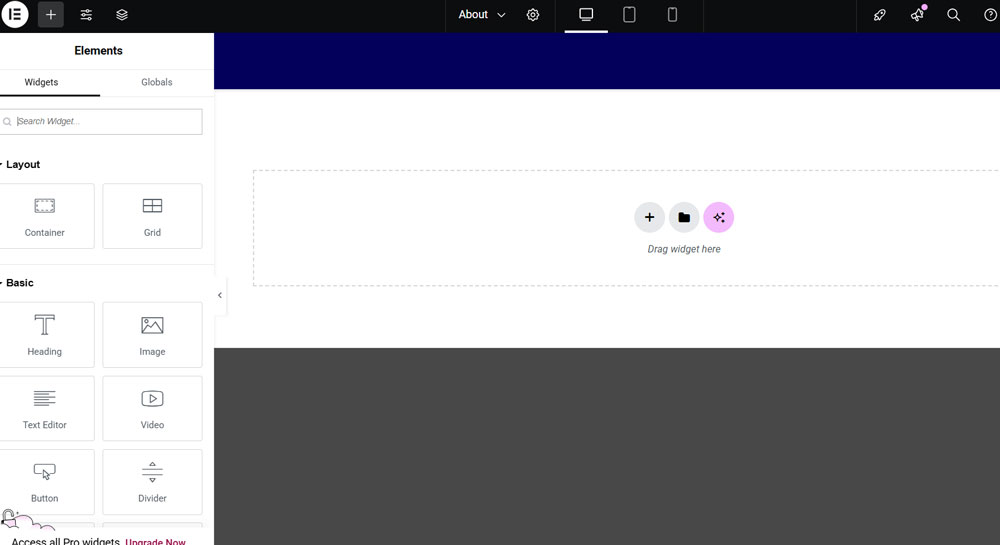
Key Feature Comparison
| Feature | Bricks Builder | Elementor |
|---|---|---|
| Type | Theme-based page builder | Plugin-based page builder |
| Performance | Lightweight, faster load times | Slightly heavier, may affect speed |
| Drag-and-Drop Editing | Fully visual, inline editing | Visual, inline editing |
| Global Styling | Visual editor, some side panel settings | Global settings via separate interface |
| Templates | Custom templates, dynamic layouts | Pre-made templates library |
| WooCommerce Support | Built-in customizations | Requires widgets/add-ons |
| Pricing | One-time or annual plans | Free version + paid plans |
| Community & Support | Growing community, responsive support | Large user base, many tutorials |
Performance and Speed
Website speed matters for user experience, SEO, and conversions. Bricks Builder is optimized for speed, with clean code and minimal dependencies. Its real-time editor lets you make changes instantly without slowing down the site. Many users prefer Bricks for lightweight performance and efficiency, especially for mobile.
Elementor is flexible and feature-rich, but it can generate extra CSS and JavaScript, which may slow your site. Using caching tools like WP Rocket or LiteSpeed Cache can help maintain performance. Elementor Pro includes optimizations, but speed varies with the number of widgets and templates.
Design and Customization
Bricks Builder offers extensive design options within its editor. You can customize layouts, headers, footers, and templates with precise control over spacing, typography, and colors. It supports custom CSS, responsive adjustments, and advanced styling for mobile, tablet, and desktop views.
Elementor provides a vast library of pre-built templates and widgets. Its drag-and-drop editor is beginner-friendly and supports advanced features like motion effects, custom fonts, and global design settings. Both builders allow creating visually stunning websites, but Bricks may feel faster due to its lightweight approach.
Ease of Use
Bricks Builder combines the theme and builder into a single lightweight interface. Editing templates, headers, and footers is straightforward, without switching between tools. Elementor is also beginner-friendly, offering a visual drag-and-drop interface with ready-to-use widgets and templates. While Elementor can feel heavier, it’s still widely appreciated for flexibility and design freedom.
Pricing
Bricks Builder offers a simple pricing model with annual and lifetime options. Since it’s a theme with a built-in builder, one license covers a website without extra plugin costs, making it cost-effective for multiple sites.
Elementor has a free version and paid plans. Each website typically requires a separate license. Paid plans unlock more templates, widgets, and advanced features. Elementor also offers hosting bundles that include the Pro license.
SEO-Friendliness
Both builders are SEO-friendly, but their approaches differ. Bricks integrates seamlessly into its theme ecosystem, generating minimal code for faster load times. Elementor works with most themes and plugins, offering robust SEO tools, but extra code can slightly impact performance compared to Bricks.
Conclusion
Choosing between Elementor and Bricks Builder comes down to your priorities. If performance, lightweight design, and lifetime pricing are key, Bricks is an excellent choice. If you want a beginner-friendly builder with a large library of templates and extensive features, Elementor remains a strong contender.
Both builders continue to evolve. Staying up to date with their latest features will help you make the best decision for your WordPress site in 2026 and beyond.